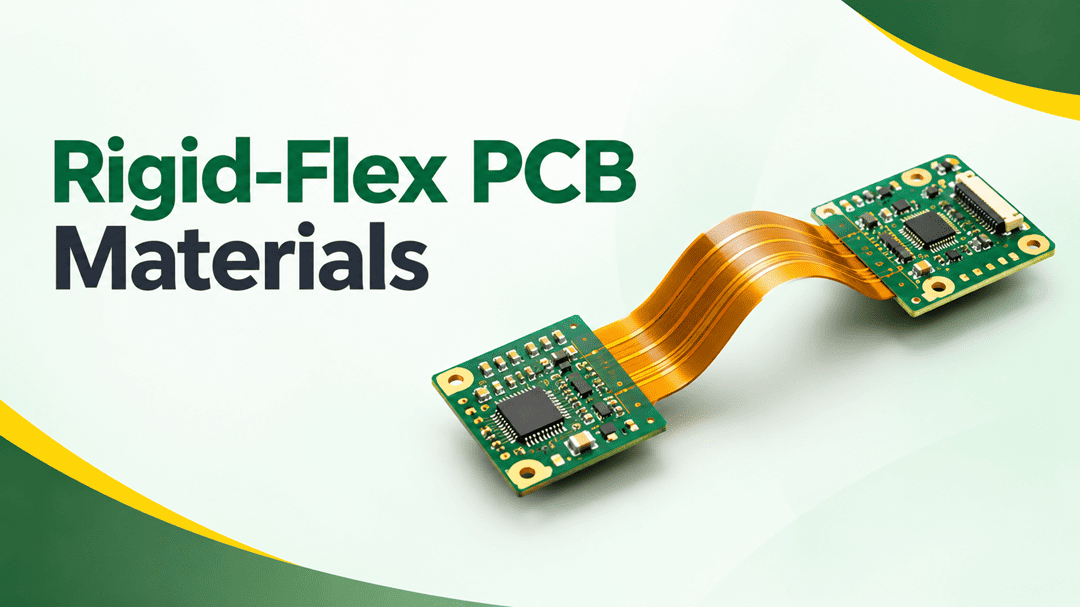
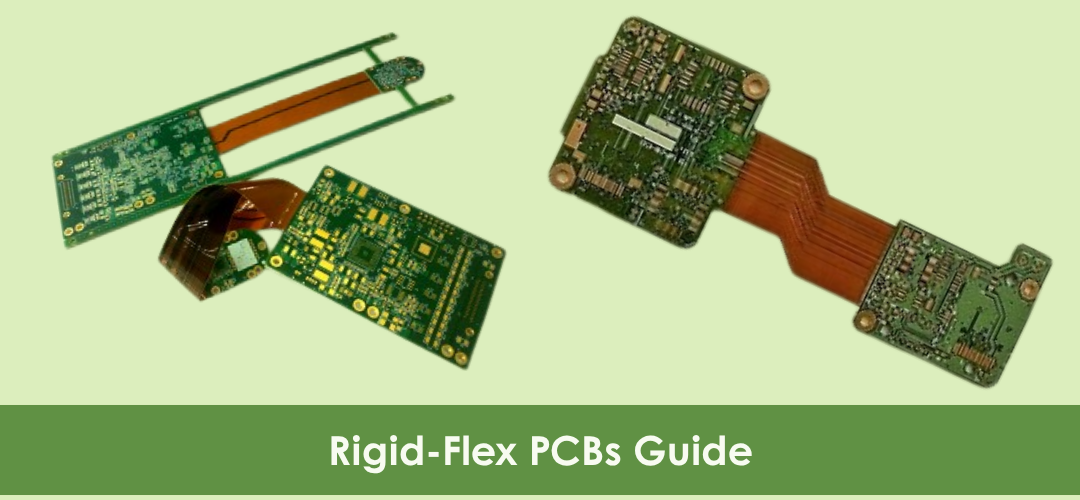
Rigid-Flex PCBs integrate rigid and flexible circuit regions into a single structure, enabling flexibility while providing the stability required for component mounting and assembly.
Read More
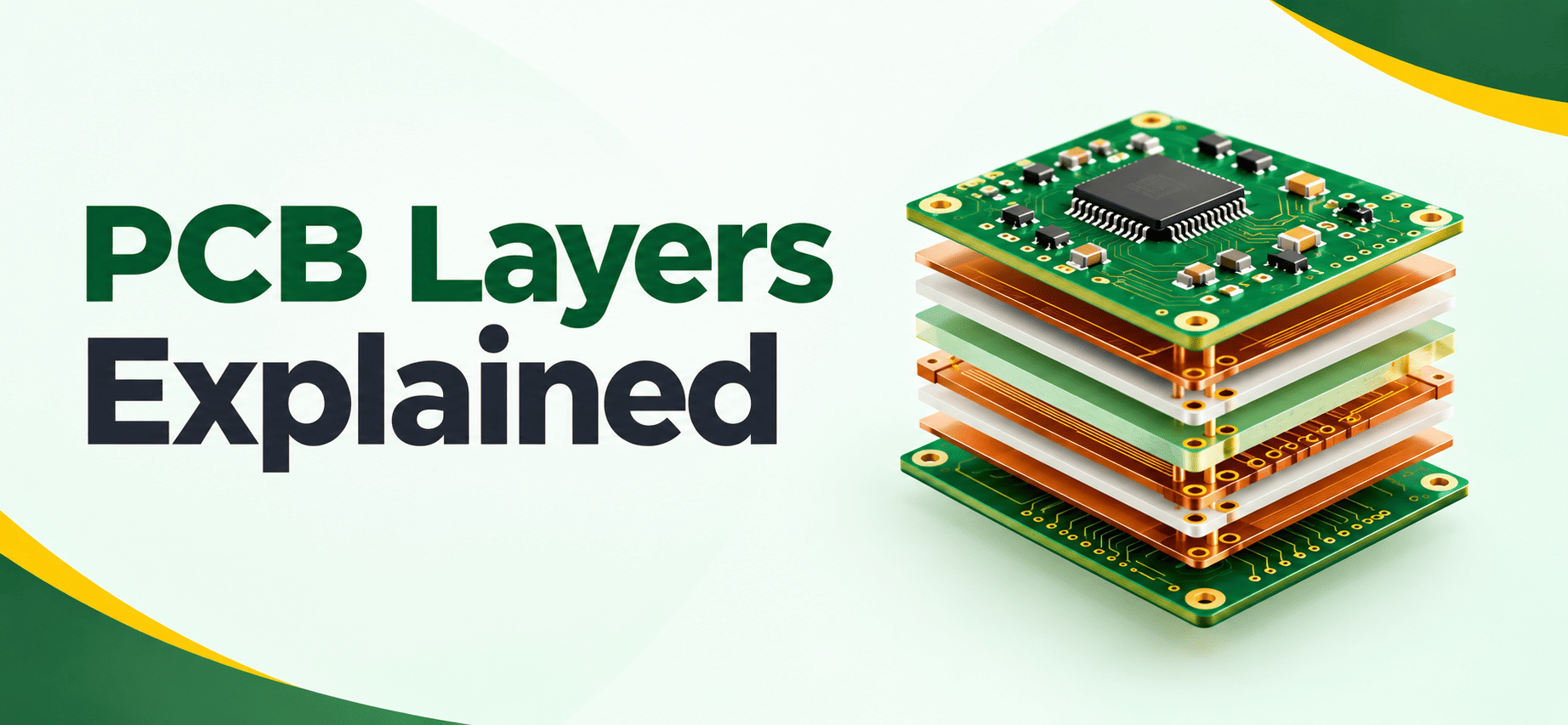
When specifying a PCB, layer count can look like a simple number on a drawing. In practice, it can affect much more than routing space. It can influence board cost, fabrication requirements, signal integrity, manufacturability, and production lead time.
Read More
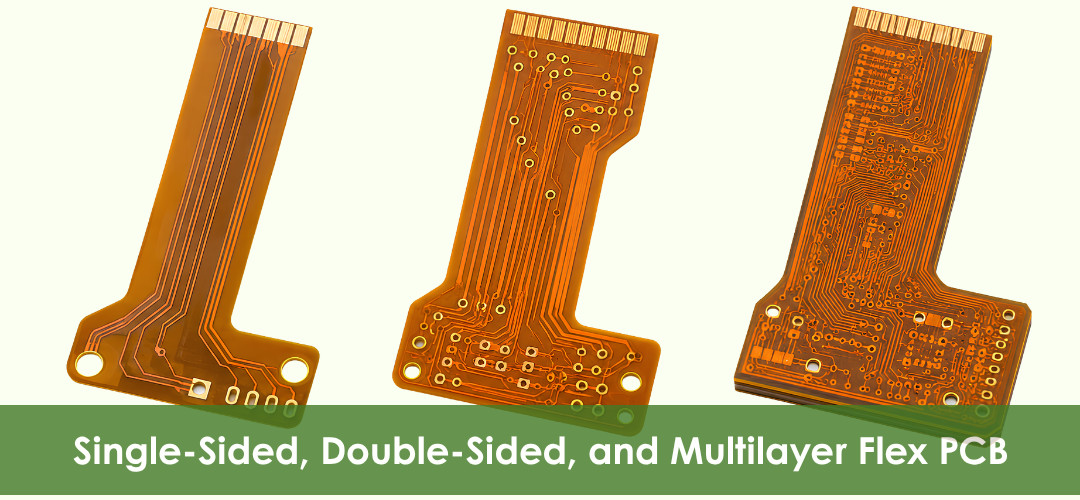
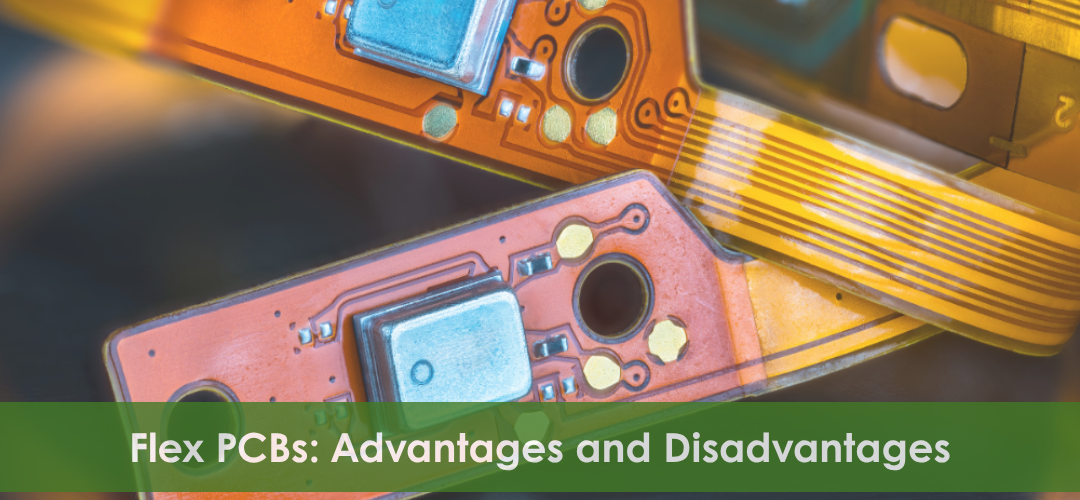
Selecting the right flexible printed circuit board (flex PCB) is more than just choosing the number of conductive layers; it is a decision that directly influences electrical performance, mechanical flexibility, manufacturing complexity, reliability, and overall project cost.
Read More
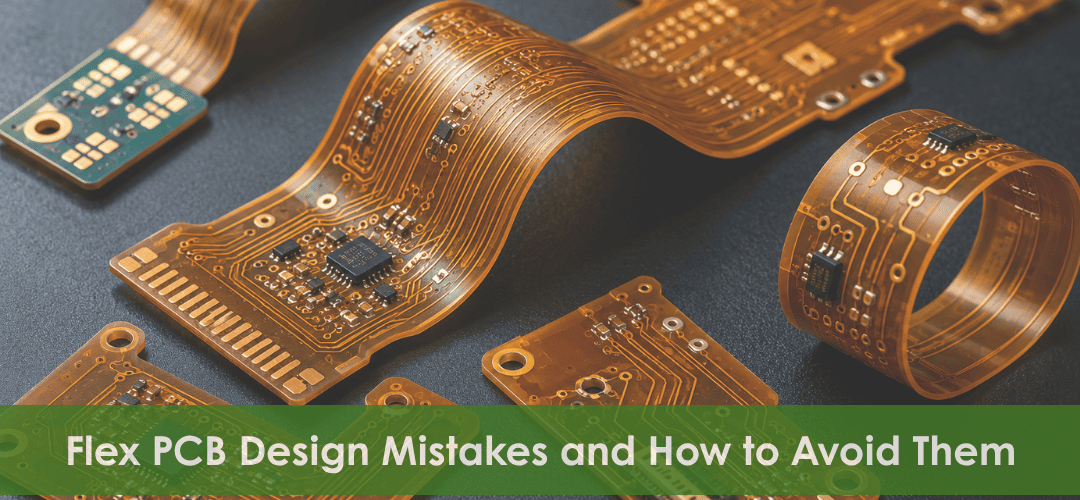
As electronic devices become smaller and more functionally complex, the use of flex PCBs continues to grow. Their ability to bend, fold, and fit into compact spaces offers significant design advantages, but it also introduces unique engineering challenges.
Read More
Electronic products continue to shrink in size while performance expectations increase. Traditional rigid PCBs provide structural stability and straightforward component mounting, while flexible circuits that conform to the device shape in wearables allow bending and folding.
Read More
In modern electronics manufacturing, devices are becoming smaller while performance expectations continue to rise. Traditional rigid PCBs, though reliable, were not designed to accommodate the complex geometries required by today’s compact and innovative products.
Read More
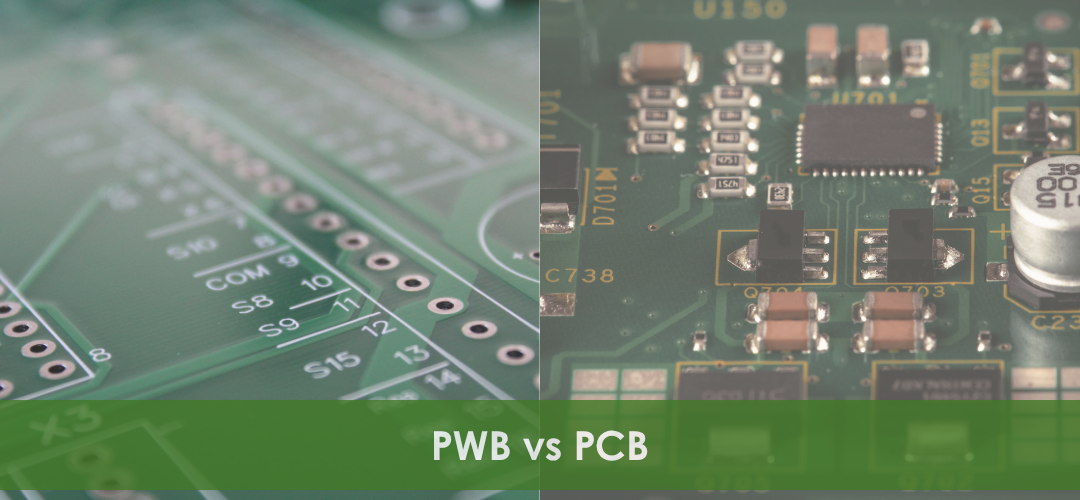
In the electronics manufacturing industry, the terms printed wiring board (PWB) and printed circuit board (PCB) often create confusion among engineers, designers, and even decision-makers.
Read More
In modern electronics design, rapid PCB prototyping has become essential for validating circuit performance before committing to full-scale production. Traditional PCB manufacturing cycles, which can span several weeks or months, often create costly bottlenecks, delaying product launches and limiting opportunities for design optimization.
Read More
PCB assembly is a critical process in electronics manufacturing, where individual components are integrated onto a printed circuit board (PCB) to form a functional electronic assembly. The quality of PCB assembly directly influences the reliability, durability, and performance of the final product. Poor assembly practices can lead to failure in functionality, increased costs due to rework, or product recalls.
Read More
Flex printed circuit boards (PCBs), which are thin, lightweight, and bendable, are transforming the way modern electronics are designed and built. Unlike rigid PCBs, they can bend, fold, and fit into compact spaces without losing performance, making them indispensable in industries where space, weight, and reliability are critical. From aerospace systems and medical implants to smartphones and wearables, the demand for flexible circuits continues to grow
Read More
The printed circuit board (PCB) forms the foundation of most modern electronic devices, including smartphones, LED lighting systems, and medical and aerospace equipment. Thus, choosing the right PCB assembly partner is crucial for your business. Whether you are launching a new product or scaling production, the success of your printed circuit board (PCB) depends on the expertise, quality, and efficiency of your assembly partner..
Read More
Every breakthrough in modern electronics, whether it’s a foldable smartphone, a lightweight medical sensor, or a satellite control module, has one thing in common: flexibility. As electronic devices continue to shrink and demand higher performance, flexible printed circuit boards (flex PCBs) have become indispensable to modern design. Their ability to conform to tight spaces and shape of the device, withstand mechanical stress, and maintain signal integrity makes them essential in advanced applications. At the heart of every reliable flex circuit lies its materials...
Read More
To achieve miniature, lighter, and performance-driven electronic devices, the choice of printed circuit board (PCB) is paramount. Engineers are constantly challenged to balance functionality and reliability, and deciding between flex and rigid-flex PCBs is one of the most critical decisions in the design cycle. Both flexible PCBs and rigid-flex boards represent significant advancements over traditional rigid boards, allowing circuits to conform to spatial constraints rather than dictating them...
Read More
Every breakthrough in modern electronics, whether it’s a foldable smartphone, a lightweight medical sensor, or a satellite control module, has one thing in common: flexibility. As electronic devices continue to shrink and demand higher performance, flexible printed circuit boards (flex PCBs) have become indispensable to modern design. Their ability to conform to tight spaces and shape of the device, withstand mechanical stress, and maintain signal integrity makes them essential in advanced applications. At the heart of every reliable flex circuit lies its materials...
Read More
|
|
|
|